Knowledge
Notes on veterinary and aquaculture diagnostics
Practical pages for distributors, clinics, laboratories and farms: what a disease looks like, what to sample, which method finds it and how to read the result. Each note links to the catalogue items it discusses. New notes are added as the catalogue grows.
 Aquaculture PCR · 2026-09-21
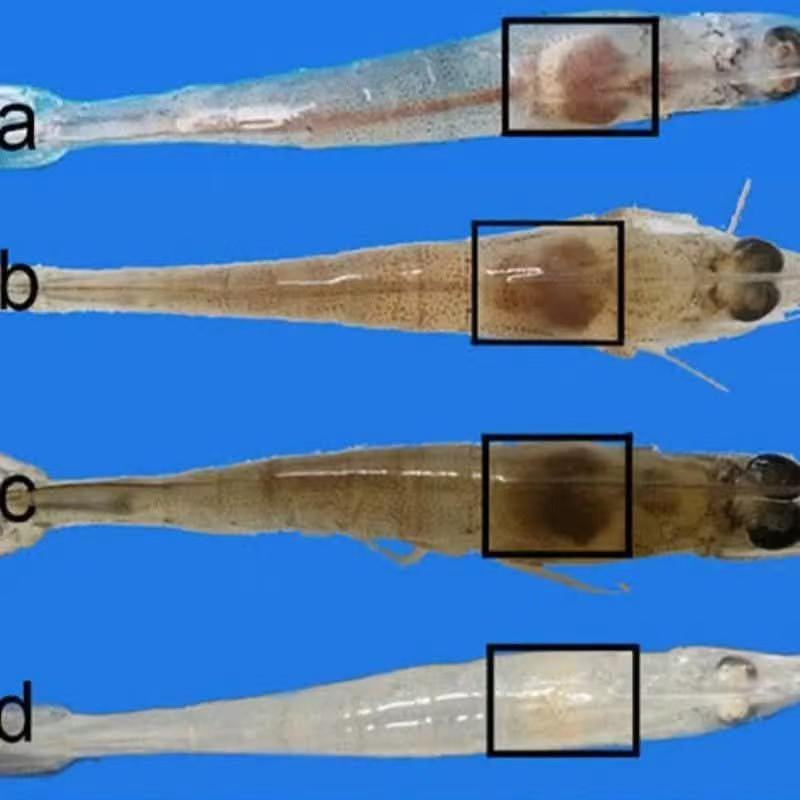
EHP in shrimp: why the hepatopancreas looks normal until it is too late
Enterocytozoon hepatopenaei (EHP) causes slow growth and size variation in farmed shrimp without killing them. What the hepatopancreas shows, how spores spread, and how hatcheries and farms screen by qPCR.
 Aquaculture PCR · 2026-09-21
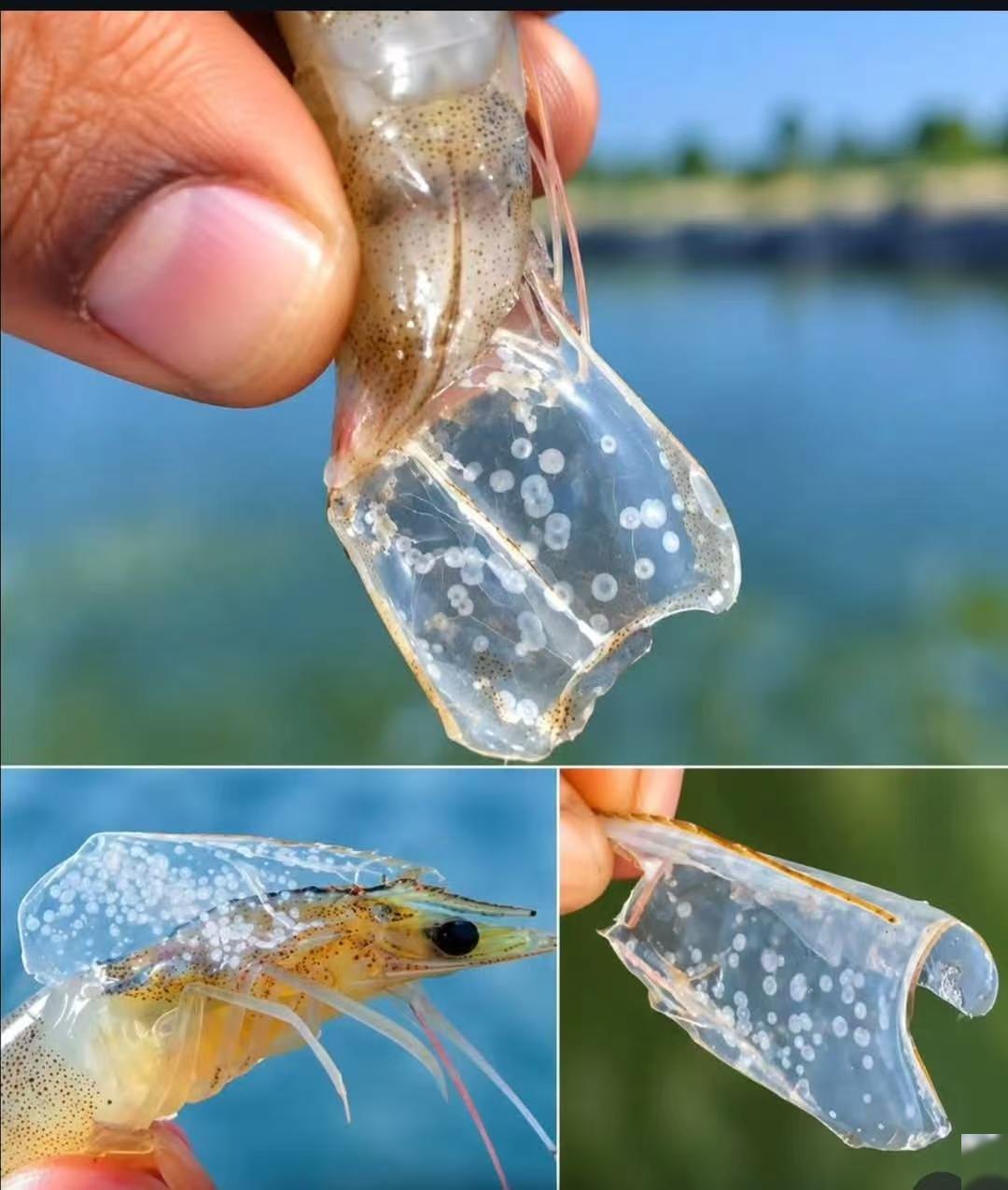
White spot syndrome virus: three days from first sign to empty pond
White spot syndrome virus (WSSV) can kill an entire shrimp pond within a week of the first signs. What the white spots are, how the virus enters a farm, and how PCR screening of post-larvae, broodstock and carriers keeps it out.
 Isothermal amplification · 2026-09-21
Chairside molecular testing: what changes when PCR-grade results arrive in 30 minutes
Isothermal amplification puts a nucleic-acid test on the consulting table: one swab, up to six pathogens, result in about 30 minutes. When it replaces a send-out PCR, when it does not, and how clinics use it.
 Rapid test · 2026-09-21
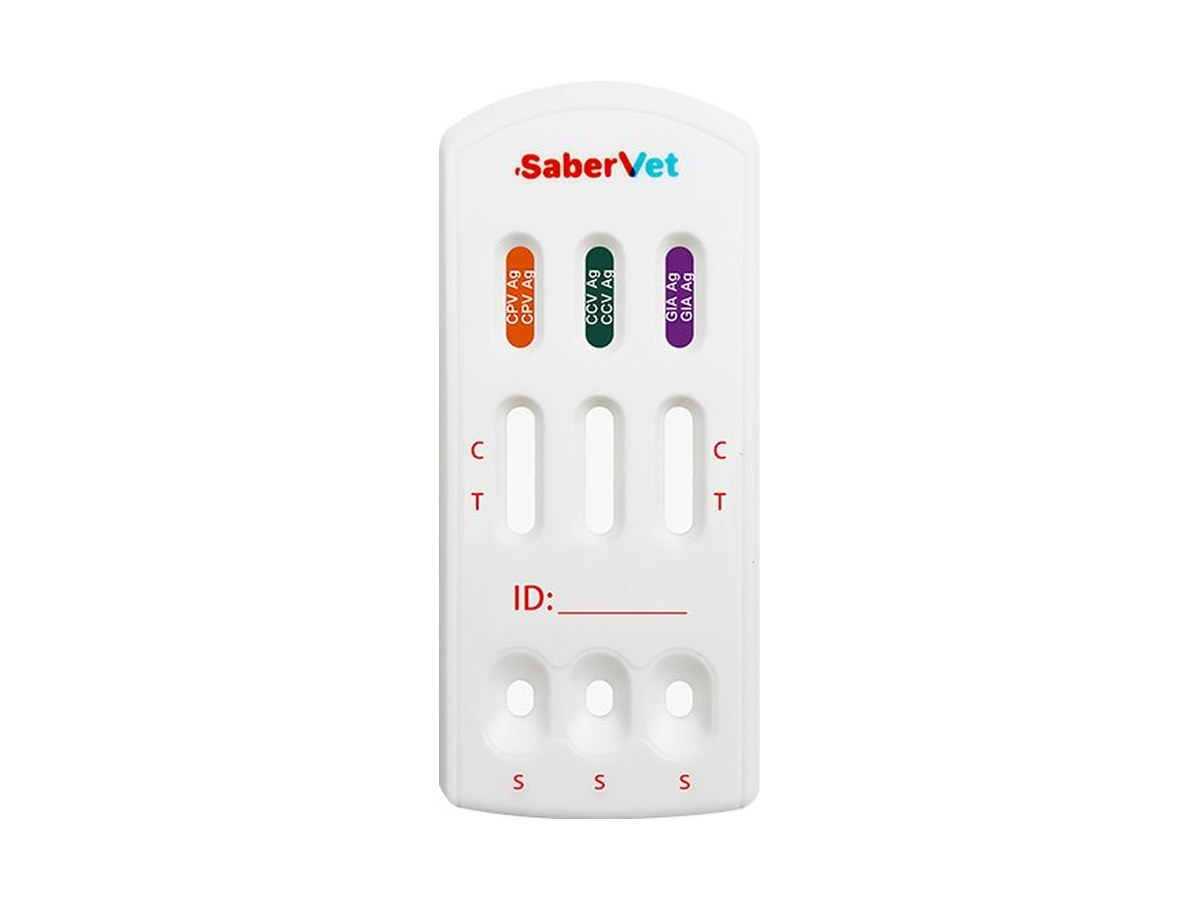
How to read a veterinary rapid test correctly, and when not to trust it
Control line, timing window, faint lines, invalid results, storage and vaccine interference: the rules for reading a lateral-flow veterinary rapid test, for clinics, shelters and distributors training their customers.