Blog
Blog: clinical trials and diagnostics notes
Two kinds of post in one place: the clinical trials and validation studies behind the assays, and practical notes for distributors, clinics, laboratories and farms. New posts are added as the catalogue grows.
Clinical trials
Published studies, field validations and case reports on the assays: produced by the manufacturers' academic partners, hosted here so a customer can read the data rather than take our word for it. All clinical trials →
Comparative performance vs. a reference method
Dirofilaria immitis / D. repens
Point-of-care isothermal detection compared against an established heartworm test.
PDF · 1 page →Clinical case report
Heartworm
A dog misdiagnosed with heartworm by a lateral-flow rapid test, resolved by molecular testing.
PDF · 2 pages →Point-of-care validation study
Feline & canine parvovirus (FPV / CPV)
Isothermal loop-mediated amplification evaluated for chairside parvovirus detection.
PDF · 10 pages →Field validation
Ehrlichia
Independent field validation carried out in Thailand.
PDF · 10 pages →Peer-reviewed publication, 2025
Molecular point-of-care testing
Received October 2025, revised November 2025, with named academic editors.
PDF · 16 pages →Point-of-care validation study
Feline calicivirus (FCV)
Isothermal loop-mediated amplification evaluated for chairside FCV detection.
PDF · 8 pages →Point-of-care validation study
Feline & canine coronavirus (FCoV / CCoV)
Isothermal loop-mediated amplification evaluated for chairside coronavirus detection.
PDF · 8 pages →Articles
Practical posts: what a disease looks like, what to sample, which method finds it and how to read the result. Each links to the products it discusses.
 Isothermal amplification · 2026-09-22
Isothermal amplification vs lateral-flow vs laboratory PCR: choosing the right test for infectious disease in dogs and cats
A method-by-method comparison for the consulting room: what each technology detects, analytical and clinical sensitivity, detection window, multiplexing, turnaround, infrastructure and cost, with the scenarios where chairside isothermal amplification changes the outcome.
 Immunofluorescence · 2026-09-22
Quantitative immunofluorescence vs rapid tests for CRP and SAA: why a number changes case management
Canine C-reactive protein and feline serum amyloid A are the fastest markers of systemic inflammation. This post compares semi-quantitative lateral-flow, quantitative immunofluorescence and chemiluminescence, with reference ranges, kinetics and the clinical situations where only a number will do.
 Aquaculture PCR · 2026-09-22
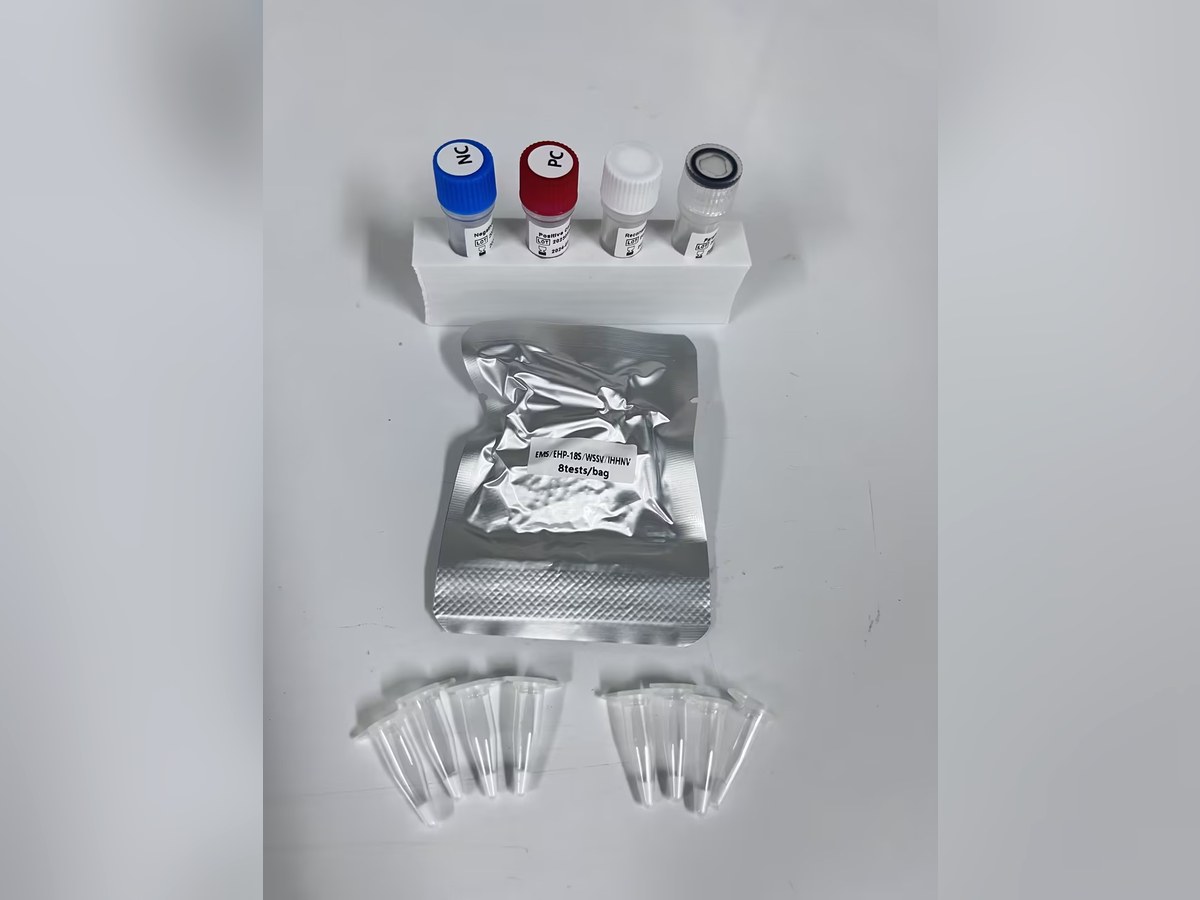
Lyophilised qPCR vs wet-reagent PCR and LAMP for shrimp pathogen screening on the farm
Why shrimp disease control is screening, not treatment; how conventional nested PCR, real-time PCR, LAMP and freeze-dried qPCR compare on sensitivity, contamination risk, cold chain and cost; and the sampling numbers that make a screening programme statistically meaningful.
 Real-time PCR · 2026-09-22
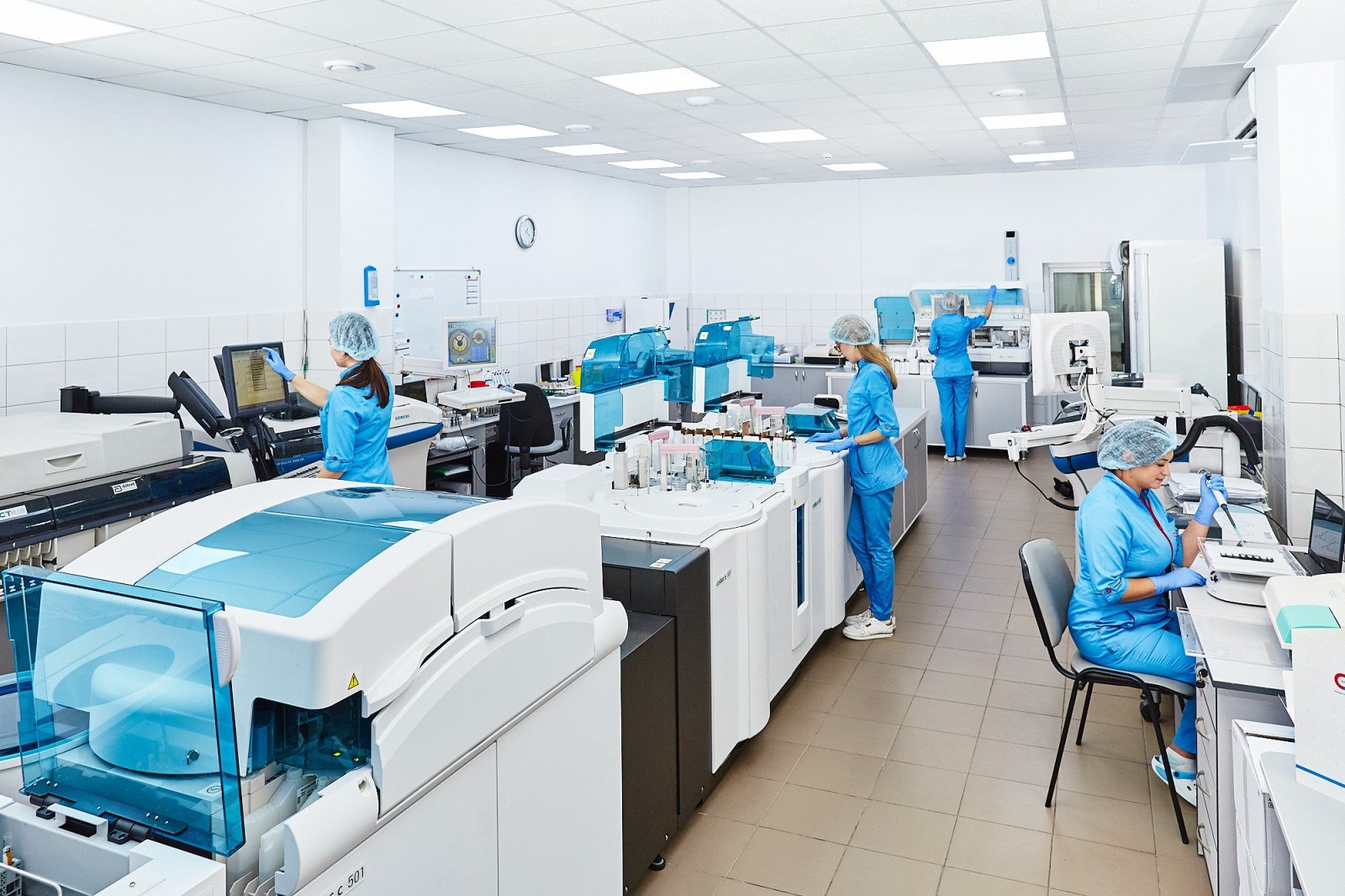
Multiplex real-time PCR panels vs single-target tests: syndromic testing in the veterinary laboratory
How multiplex real-time PCR works, why co-infections make single-target testing misleading in respiratory and gastrointestinal disease, what the trade-offs are in sensitivity and validation, and when a singleplex assay is still the right choice.
 Aquaculture PCR · 2026-09-21
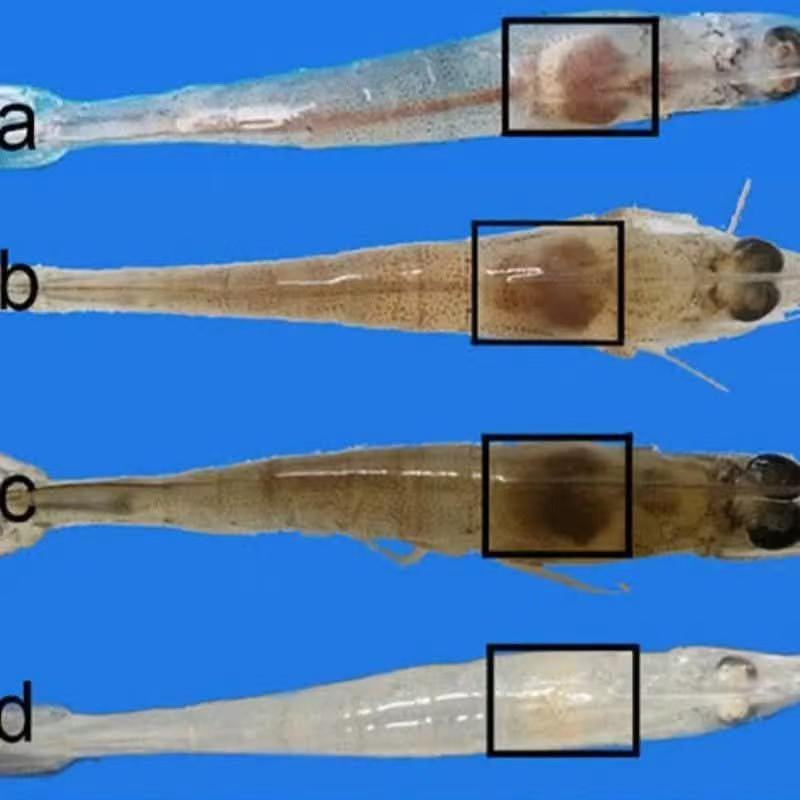
EHP in shrimp: why the hepatopancreas looks normal until it is too late
Enterocytozoon hepatopenaei (EHP) causes slow growth and size variation in farmed shrimp without killing them. What the hepatopancreas shows, how spores spread, and how hatcheries and farms screen by qPCR.
 Aquaculture PCR · 2026-09-21
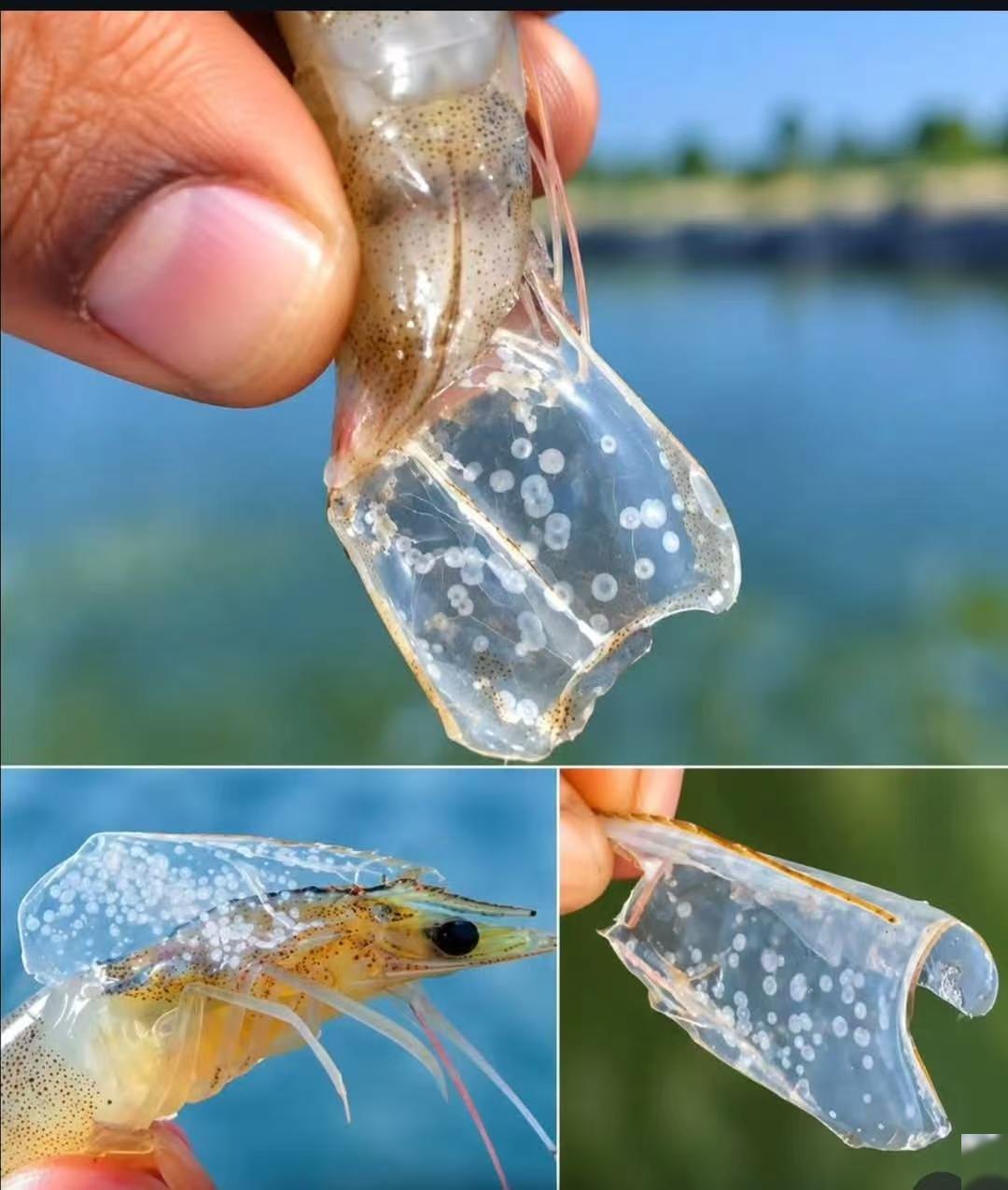
White spot syndrome virus: three days from first sign to empty pond
White spot syndrome virus (WSSV) can kill an entire shrimp pond within a week of the first signs. What the white spots are, how the virus enters a farm, and how PCR screening of post-larvae, broodstock and carriers keeps it out.
 Isothermal amplification · 2026-09-21
Chairside molecular testing: what changes when PCR-grade results arrive in 30 minutes
Isothermal amplification puts a nucleic-acid test on the consulting table: one swab, up to six pathogens, result in about 30 minutes. When it replaces a send-out PCR, when it does not, and how clinics use it.
 Rapid test · 2026-09-21
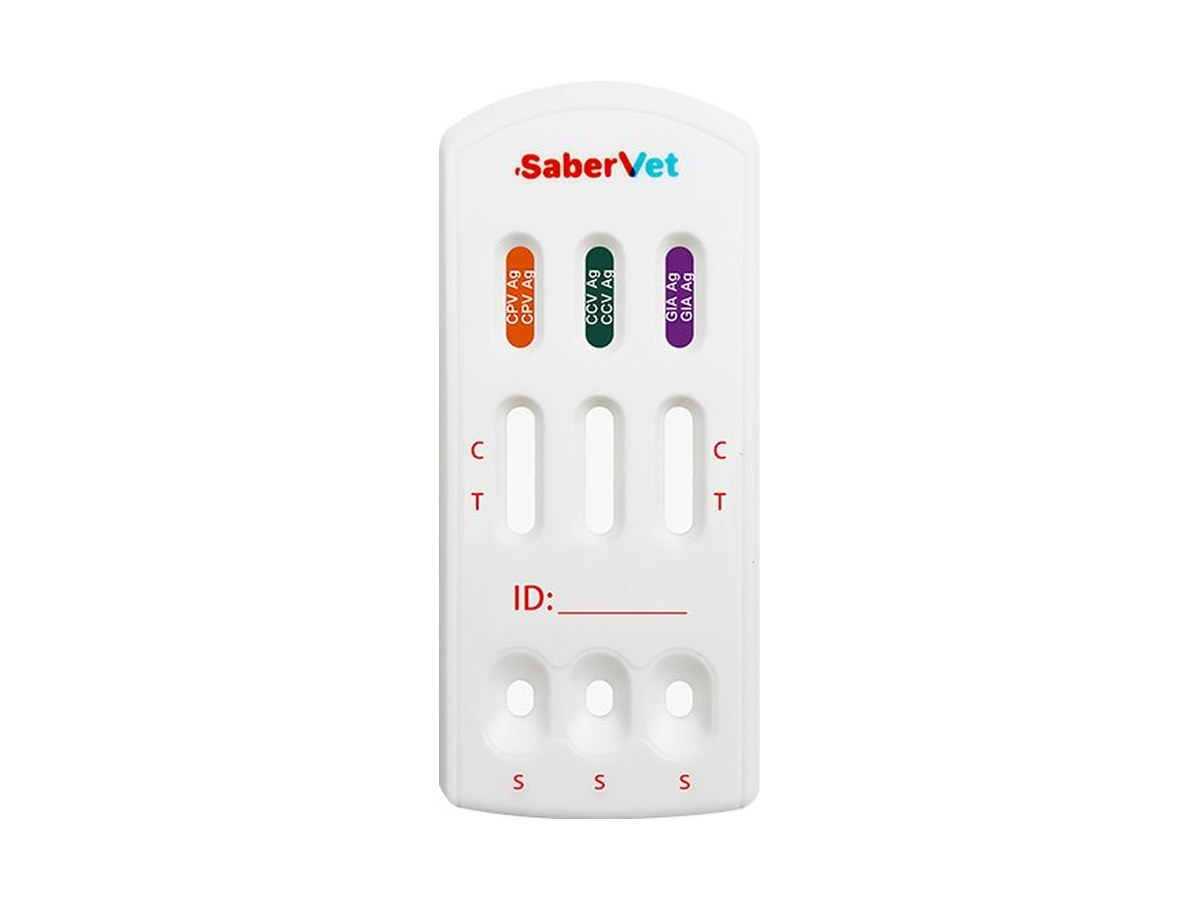
How to read a veterinary rapid test correctly, and when not to trust it
Control line, timing window, faint lines, invalid results, storage and vaccine interference: the rules for reading a lateral-flow veterinary rapid test, for clinics, shelters and distributors training their customers.